Remote Access Trojan

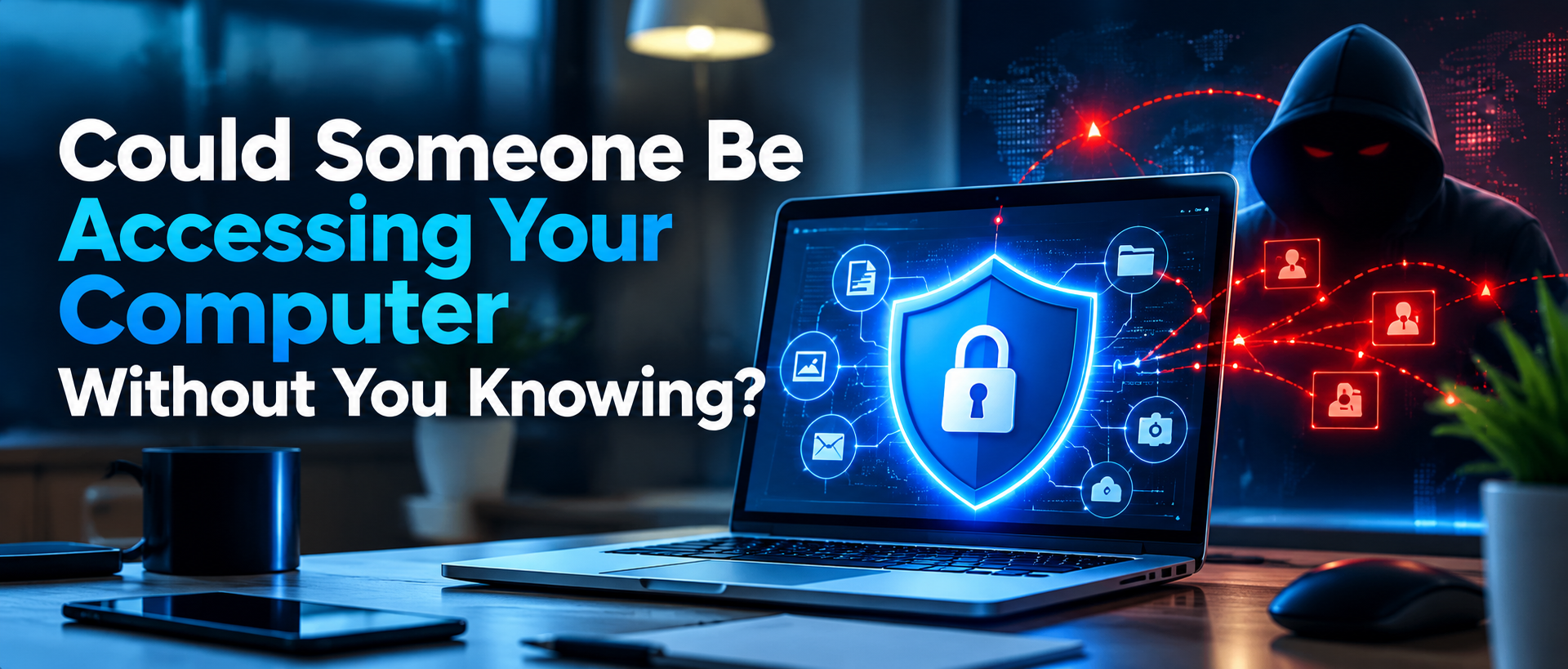
Could Someone Be Accessing Your Computer Without You Knowing? Remote Access Trojans can give an attacker unauthorized access to a computer, regardless of where you live, even in Lincoln, Nebraska. Learn what RATs are, recognize potential warning signs, and understand how to protect yourself.

How To Protect Against Remote Access Trojan in Lincoln, Nebraska, United States

A Remote Access Trojan (RAT) is a type of malicious software designed to give someone unauthorized remote access to a computer or device. Once installed, a RAT may allow an attacker to interact with the affected computer from another location, potentially putting personal information, accounts, files, and privacy at risk. These threats are not limited by geography and can affect anyone, including people living in Lincoln, Nebraska, United States.

The term RAT stands for Remote Access Trojan. The word Trojan comes from the idea of software appearing harmless or legitimate while hiding a malicious purpose. A RAT may reach a computer through deceptive downloads, malicious attachments, fake software, or other methods intended to trick someone into installing it.

It's important to distinguish a RAT from legitimate remote-access software. Businesses, IT support teams, and individuals regularly use remote-access tools to connect to computers with the owner's knowledge and permission. The technology itself isn't necessarily dangerous.

The key difference is authorization and intent. Legitimate remote-access software is used with permission for purposes such as technical support or accessing your own computer remotely. A malicious RAT is installed or used without proper authorization to provide an attacker with access they should not have.

In simple terms: remote-access software lets someone connect to a computer; a Remote Access Trojan does it maliciously and without proper authorization.

What Can a Remote Access Trojan Do?

A Remote Access Trojan can potentially give an attacker unauthorized access to your computer, allowing them to interfere with your privacy, information, accounts, and normal use of the device. This risk exists regardless of where you live, whether in Lincoln, Nebraska, United States, or anywhere else in the world.

What a RAT is capable of depends on the particular malware, but the risks can include access to files and personal information, unwanted changes to the computer, monitoring of activity, installation of additional malicious software, or misuse of accounts and information available from the affected device.

This can become particularly serious when a computer is used for email, banking, shopping, work, cloud storage, or other accounts containing personal or sensitive information. Unauthorized access to the computer may create opportunities for information to be exposed or accounts to be compromised.

A RAT may also interfere with security and privacy settings or perform activity without the computer owner's knowledge. Because malicious software can be designed to operate quietly, someone may not immediately realize that anything is wrong.

Not every RAT has the same capabilities, and unusual computer behaviour does not automatically mean a RAT is present. However, the possibility of unauthorized remote access is what makes this type of malware a significant security concern.

Simply put: a RAT matters because it can turn a computer you control into a computer that someone else may be able to access without your permission.

How Can a Computer Become Compromised?

A computer can become compromised when malicious software is downloaded, installed, or allowed to run, often because it has been disguised as something legitimate or delivered through a convincing message or website.

One common risk is a deceptive download. Malware may be disguised as a useful application, free utility, document, browser extension, or other software. What appears to be a legitimate download may contain malicious code.

Email and message attachments are another potential source. An unexpected attachment or link may be designed to convince someone to open a file, visit a deceptive website, or download software they did not intend to install.

Attackers may also use fake software updates or security warnings. A website or pop-up might claim that your browser, computer, media player, or security software urgently needs an update. Instead of providing a legitimate update, it may attempt to install unwanted or malicious software.

Even software that appears legitimate can sometimes present a risk if it comes from an untrusted or compromised source. This is why downloading applications directly from trusted developers, official app stores, or other reputable sources is important.

Many of these methods rely on social engineering—convincing someone that a message, download, warning, or request is trustworthy so they take an action they normally wouldn't.

The important lesson is that RATs and other malware often depend on deception. Being cautious about what you download, open, install, and approve can significantly reduce your risk.
A computer can become compromised when malicious software is downloaded, installed, or allowed to run, often because it has been disguised as something legitimate or delivered through a convincing message or website. These threats can reach anyone connected to the internet, whether you live in Lincoln, Nebraska, United States, or anywhere else in the world.

One common risk is a deceptive download. Malware may be disguised as a useful application, free utility, document, browser extension, or other software. What appears to be a legitimate download may contain malicious code.

Email and message attachments are another potential source. An unexpected attachment or link may be designed to convince someone to open a file, visit a deceptive website, or download software they did not intend to install.

Attackers may also use fake software updates or security warnings. A website or pop-up might claim that your browser, computer, media player, or security software urgently needs an update. Instead of providing a legitimate update, it may attempt to install unwanted or malicious software.

Even software that appears legitimate can sometimes present a risk if it comes from an untrusted or compromised source. This is why downloading applications directly from trusted developers, official app stores, or other reputable sources is important.

Many of these methods rely on social engineering—convincing someone that a message, download, warning, or request is trustworthy so they take an action they normally wouldn't.

The important lesson is that RATs and other malware often depend on deception. Being cautious about what you download, open, install, and approve can significantly reduce your risk.
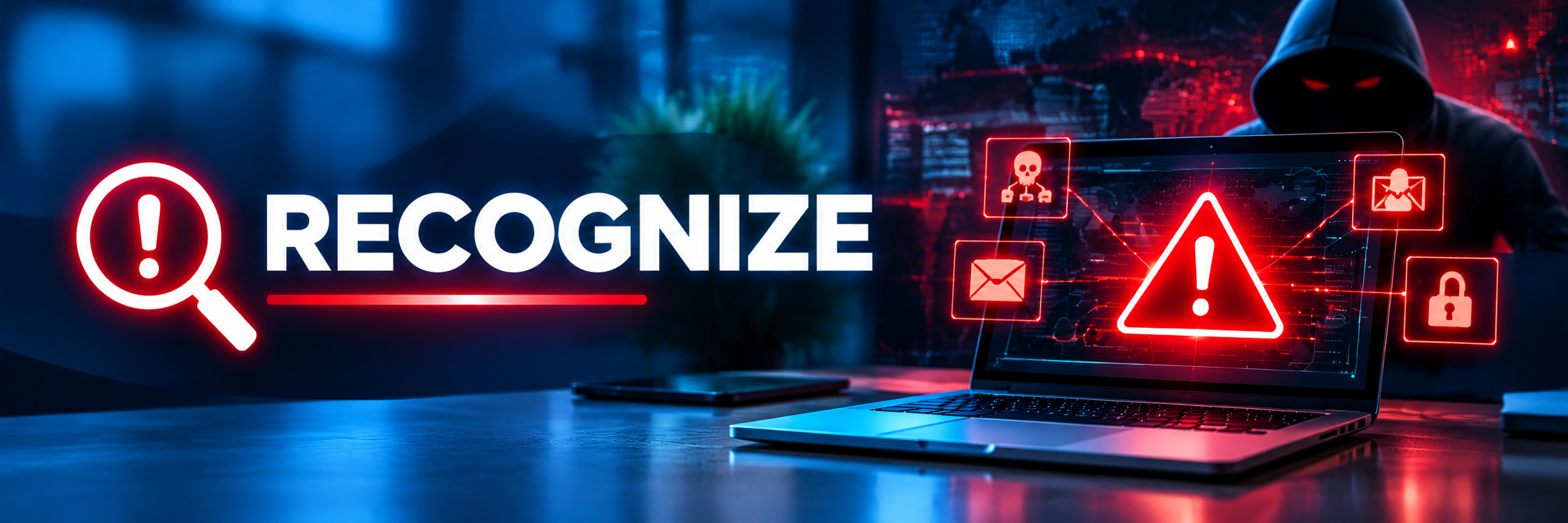
Could Your Computer Have a Remote Access Trojan?

Remote Access Trojans are designed to operate without drawing attention to themselves, so there may not be one obvious sign that tells you a computer has been compromised. Instead, you may notice changes in the way your computer, accounts, or security software behave. Whether you live in Lincoln, Nebraska, United States, or anywhere else, these warning signs are worth understanding because unauthorized remote access can happen regardless of your location.

Recognizing unusual activity does not necessarily mean you have a RAT, but knowing what to watch for can help you decide when something deserves a closer look.

Unexpected Computer Behaviour

Programs opening or closing unexpectedly, unfamiliar applications appearing, unusual pop-ups, or unexplained changes to system settings can all be reasons to investigate further. These warning signs can affect computer users anywhere, including those living in Lincoln, Nebraska, United States, regardless of where or how they access the internet.

A computer that suddenly becomes slower, less stable, or behaves differently than usual may also deserve attention. These symptoms can have many causes, however, and should not automatically be treated as evidence of malware.

Unusual Account Activity

Pay attention to unexpected password-reset messages, login notifications from unfamiliar devices or locations, changes you did not make, or other activity you don't recognize.

If an account contains sensitive personal or financial information, unexpected activity should be investigated promptly.

Security and Network Warning Signs

Security software may sometimes provide the clearest indication that something is wrong. Antivirus warnings, blocked connections, repeated security notifications, or security features that appear to have been changed unexpectedly should not simply be ignored.

Unexplained network activity can also be worth investigating, particularly when it occurs alongside other unusual behaviour.

One Warning Sign Doesn't Mean You Have a RAT

Many of these symptoms can be caused by ordinary software problems, updates, hardware issues, legitimate applications, or configuration changes. This is true whether you are using a computer in Lincoln, Nebraska, United States, or anywhere else in the world.

No single warning sign proves that a Remote Access Trojan is present. The important thing is to recognize unusual behaviour, investigate it carefully, and use trusted security tools when appropriate.

How Can You Reduce the Risk of Remote Access Trojans?

There is no single setting or security product that eliminates every cybersecurity risk. A better approach is to use several layers of protection: safer online habits, current software, strong account security, backups, and reputable security tools.

A few everyday precautions can significantly reduce your exposure to malware.

Download Software Carefully

Download applications from trusted sources and be cautious about software offered through unfamiliar websites, advertisements, pop-ups, or unsolicited messages. Whether you live in Lincoln, Nebraska, United States, or anywhere else, downloading software from reputable sources is an important step in protecting your computer from malicious programs.

Be particularly careful when a website unexpectedly tells you that you need to install a program, browser extension, security tool, or update before you can continue.

Be Cautious With Emails, Messages and Attachments

Unexpected attachments and links should always be treated carefully, even when a message appears to come from someone you recognize. These deceptive messages can reach anyone, whether you live in Lincoln, Nebraska, United States, or anywhere else in the world.

Attackers can use convincing messages designed to make people act quickly. If a message asks you to download something, sign in, provide sensitive information, or install software, take time to verify that the request is legitimate.

Keep Your Computer and Software Updated

Security updates often correct vulnerabilities discovered in operating systems, browsers, applications, and other software.

Keeping automatic updates enabled where appropriate and installing important security updates promptly helps reduce the number of known weaknesses that malicious software may attempt to exploit.

Protect Your Accounts

Use strong, unique passwords for important accounts and enable multi-factor authentication (MFA) when it is available.

MFA adds another layer of protection because obtaining a password alone may not be enough for someone to access the account.

Maintain Backups

Important files should be backed up regularly using a method appropriate for the information you need to protect.

Backups cannot prevent a RAT or other malware infection, but they can be an important part of recovering from many types of computer problems and security incidents.

Use Reputable Security Software

Modern antivirus and anti-malware software can provide another layer of protection by monitoring for suspicious activity and known threats.

Security software should complement good security habits—not replace them.

How Are Remote Access Trojans Detected?

Because a RAT may be designed to operate quietly, identifying one is not always as simple as noticing an unfamiliar program.

Modern security software can use several techniques to identify potentially malicious software, including known threat information, suspicious behaviour, file analysis, and activity monitoring.

Can Antivirus Detect a RAT?

Reputable antivirus and anti-malware products are designed to detect many types of malicious software, including Trojans and other threats that may provide unauthorized remote access.

Detection capabilities differ between products, however, and no security product should be considered capable of detecting every possible threat.

This is one reason we consider independent security testing when evaluating protection software.

When Should You Run a Malware Scan?

Running a security scan can make sense if your computer begins behaving unusually, your security software generates a warning, you have interacted with a suspicious download or attachment, or you simply have reason to believe something may be wrong.

Keeping your security software and its threat information current is important before relying on scan results.

What If Something Is Detected?

If your security software identifies a Trojan or another serious threat, pay attention to the information provided by the security product rather than simply dismissing the warning.

The appropriate response will depend on what was detected and what may have been affected.

And that's exactly where I'd stop DETECT.

Immediately after that last sentence, we put your narrow:

What Should You Do If You Suspect a Remote Access Trojan?

If you believe your computer may have been compromised, take the concern seriously without assuming the worst. Unexpected behaviour can have many causes, but a few sensible steps can help you investigate the problem and protect important information.

Run a Trusted Security Scan

Use reputable, up-to-date antivirus or anti-malware software to perform a thorough scan of the computer.

If your security software identifies a threat, review the information it provides and follow the product's recommended actions. Avoid downloading unfamiliar "cleanup" tools simply because a pop-up or website claims that your computer is infected.

Protect Important Accounts

If you have reason to believe passwords or account information may have been exposed, securing important accounts should be a priority.

Use a device you trust when changing sensitive credentials. Start with important accounts such as your primary email, financial services, cloud storage, and other accounts containing personal information.

Use unique passwords and enable multi-factor authentication wherever possible.

Consider Other Devices and Accounts

If several computers or devices share the same accounts or network, consider whether anything unusual is happening elsewhere as well. Whether your devices are connected at home in Lincoln, Nebraska, United States, or somewhere else, checking for suspicious activity across shared accounts and networks is a sensible precaution.

An issue discovered on one computer does not automatically mean every device is affected, but checking important accounts and keeping your other devices updated is a sensible precaution.

Know When to Get Professional Help

Some situations are better handled by an experienced computer-security professional. Whether you live in Lincoln, Nebraska, United States, or anywhere else, seeking qualified assistance can be an important step when dealing with a suspected Remote Access Trojan infection.

Consider professional assistance if security warnings continue after attempted cleanup, you cannot determine whether the threat has been removed, important personal or financial information may have been exposed, or you simply aren't comfortable handling the problem yourself.

Once the immediate concern has been addressed, the next question becomes: how can you improve your protection going forward?

Build Layers of Protection Around Your Computer

Protecting a computer from Remote Access Trojans and other malware isn't about finding one magic setting or application. Stronger security comes from combining several layers of protection. Whether you live in Lincoln, Nebraska, United States, or anywhere else in the world, these essential cybersecurity practices can help reduce your risk.

Keep your operating system and applications updated. Be cautious with downloads and unexpected attachments. Use strong, unique passwords and multi-factor authentication. Maintain backups of important information.

And use reputable security software as another important layer.

What Should Good Security Software Provide?

When evaluating security software, we believe protection should come before marketing claims. Whether you live in Lincoln, Nebraska, United States, or anywhere else, the same principle applies: effective cybersecurity protection matters more than advertising promises.

Look for products that provide strong malware protection, ongoing threat monitoring, regular security updates, useful scanning capabilities, and a good record in independent security testing.

Performance and usability matter too. Security software needs to provide meaningful protection without making the computer unnecessarily difficult to use.

Can Security Software Guarantee You Won't Get a RAT?

No antivirus or security product can guarantee protection against every threat. Whether you live in Lincoln, Nebraska, United States, or anywhere else in the world, choosing reliable security software is an important step toward protecting your devices and personal information.

That's why our recommendations aren't based on promises of "100% protection." We look for products that combine strong security capabilities with good independent testing results and practical features for everyday users.

So which security software should you choose?

We've selected security products that we believe provide strong options for people looking to improve their protection against Trojans, malware, and other online threats.

Our recommendations consider protection, independent security testing, features, usability, and overall suitability—not simply which company offers the largest affiliate commission.

Bitdefender — Best Overall Protection

Our top overall choice for users looking for strong, well-rounded malware protection.

Bitdefender combines real-time protection, malware scanning, threat-prevention technologies, and additional security features in a package designed for everyday computer users.

Its strong performance in independent security testing makes it our preferred overall choice among the products we recommend.

Learn More

Norton 360 — Best Complete Security Suite

Our choice for users who want security features extending beyond basic antivirus protection.

Norton 360 combines malware protection with a broader collection of security and privacy features. It can be a particularly good fit for someone looking for a more comprehensive security package rather than a standalone malware scanner.

Learn More

Malwarebytes — Best for Malware Detection & Cleanup

A strong choice for users particularly interested in malware scanning and cleanup.

Malwarebytes has built its reputation around identifying and removing malware and provides protection features designed to help identify potentially harmful activity.

It may be especially attractive to someone who has arrived at this page because they're already concerned that something could be wrong with their computer.

Learn More

Other Locations